Source Pressure Relief Gel Pads for Bedsores, Rehab, and Therapy
Find 30 pressure relief gel pads from Chinese manufacturers. Compare metal and resin models with CE certification for bedsore prevention and rehabilitation therapy applications.
Key considerations
Products List






Comprehensive Sourcing Guide
Pressure Relief Gel Pads Sourcing Guide
Product Scope and Observed Listing Signals
Pressure relief gel pads are specialized medical and healthcare accessories designed to mitigate the risk of pressure ulcers, commonly known as bedsores, by redistributing body weight and reducing localized tissue stress. These products typically fall under the classification of rehabilitation therapy supplies and are engineered to provide a soft, conforming surface that enhances patient comfort during prolonged periods of immobility. In the current market, these pads are often categorized as Class I medical devices, indicating a lower risk profile that requires standard controls to ensure safety and effectiveness. Buyers should recognize that while the core function remains consistent, the physical attributes and material compositions can vary significantly between suppliers, necessitating careful evaluation of product listings to match specific clinical or logistical requirements.
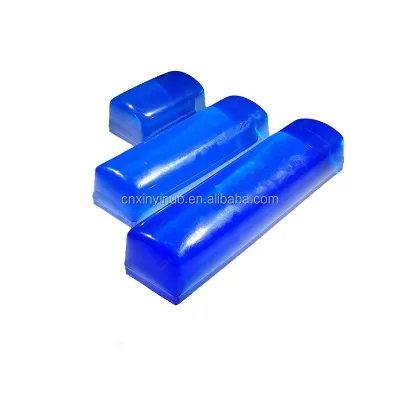
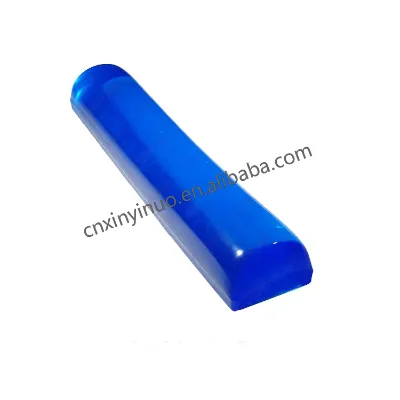
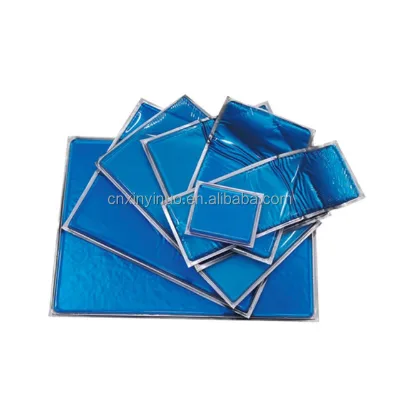
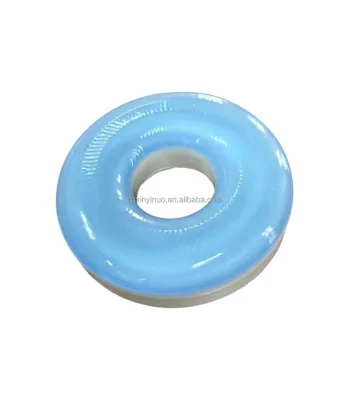
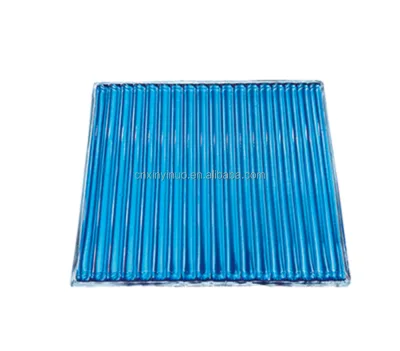
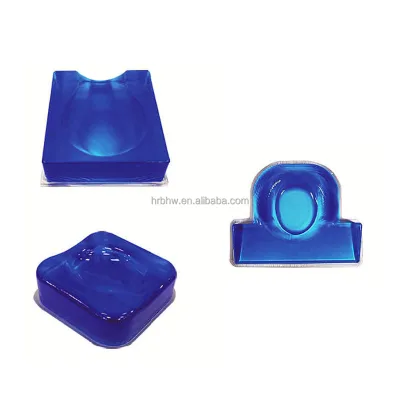
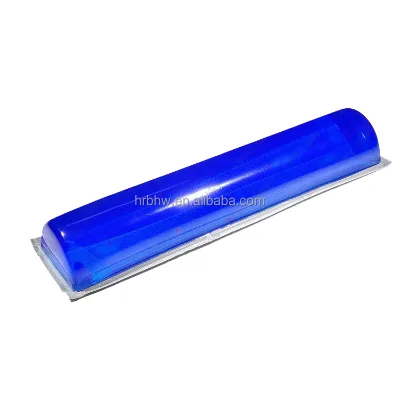
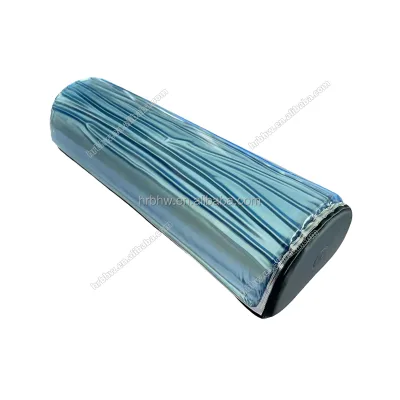
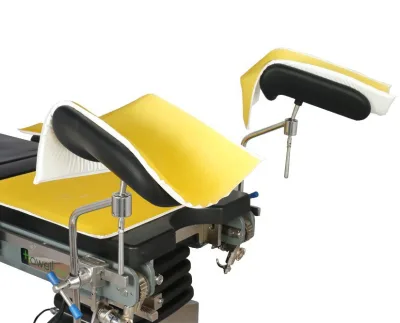
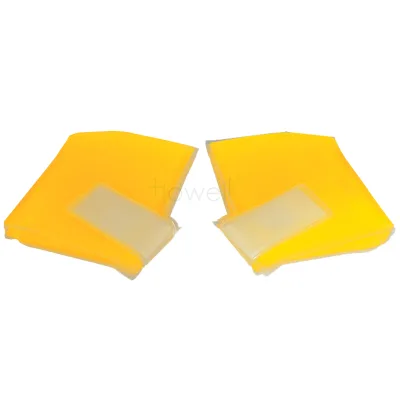
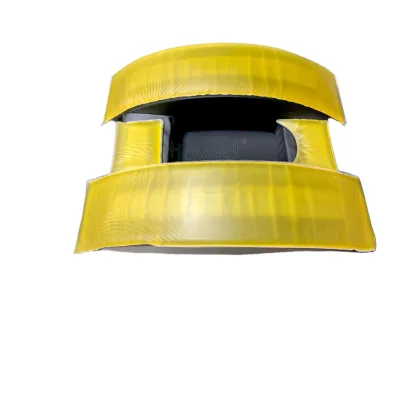
Market observations reveal a diverse range of product configurations, with materials ranging from pure metal frameworks to composite structures incorporating steel, resin, and medical-grade gel. The visual presentation of these items often includes color variations such as blue, yellow, and green, which may serve both aesthetic purposes and functional differentiation in clinical settings. Some listings indicate that customization is available, allowing buyers to request specific colors or logos, which is particularly relevant for institutional procurement where branding or color-coding systems are part of standard operating procedures. Additionally, the presence of online technical support suggests that suppliers are positioning these products as part of a broader service ecosystem, offering assistance beyond the initial transaction.
Technical Specifications to Verify
When evaluating pressure relief gel pads, the material composition is a primary technical consideration that directly impacts durability, hygiene, and patient comfort. Buyers must verify whether the gel is encased in a protective outer layer, as some listings specify materials like metal or steel, which may refer to the underlying support structure rather than the contact surface. The presence of resin or medical gel indicates a focus on shock absorption and pressure distribution, but the exact formulation and thickness of the gel layer are critical details that are not always disclosed in standard product descriptions. It is essential to confirm that the gel material is non-toxic, hypoallergenic, and resistant to degradation from repeated cleaning or sterilization processes, ensuring long-term usability in high-turnover healthcare environments.
Physical dimensions and packaging specifications are equally important for logistics and storage planning. Observed data shows a wide variance in single package sizes, ranging from compact dimensions of 30x50x15 cm to larger configurations measuring 70x30x25 cm, which directly influences shipping costs and warehouse space allocation. The gross weight of individual units also varies, with some items weighing as little as 5 kg and others up to 15 kg, requiring appropriate handling equipment and labor considerations. Buyers should also check for the presence or absence of electronic components, such as LCD displays, as some listings explicitly state that the products do not include digital interfaces, confirming their status as passive mechanical aids rather than active electronic devices.
Compliance and Safety Documentation
Regulatory compliance is a foundational requirement for sourcing medical gel pads, particularly given their classification as medical devices. Buyers must ensure that suppliers provide valid quality certifications, such as CE marking, which indicates conformity with health, safety, and environmental protection standards for products sold within the European Economic Area. Additionally, ISO certifications may be referenced, although buyers should verify the specific ISO standard applicable to the product, as general references to "ISOCE" may be a typographical error or a composite label that requires clarification. The validity of these certifications should be cross-checked with the issuing body to ensure they are current and cover the specific model numbers being procured, as certifications are often tied to particular product lines rather than the entire supplier catalog.
Beyond regulatory marks, documentation regarding the product's shelf life and warranty terms provides insight into the supplier's confidence in their product's longevity. A typical shelf life of one year suggests that the gel material may be sensitive to environmental factors such as temperature and humidity, requiring careful storage conditions before installation. The warranty period, often listed as one year, covers defects in materials and workmanship, but buyers should clarify whether this warranty extends to normal wear and tear or is limited to manufacturing faults. Understanding these terms is crucial for total cost of ownership calculations, as premature failure due to material degradation could result in additional replacement costs and potential patient safety incidents.
Cost Drivers and Commercial Terms
The pricing structure for pressure relief gel pads is influenced by a combination of material costs, manufacturing complexity, and order volume. Observed price ranges in the market span from low-cost items starting at $0.05 to premium units reaching $466.04, reflecting the vast difference between simple gel inserts and comprehensive support systems with specialized frames or features. Minimum order quantities (MOQs) also vary widely, from as low as one piece to as high as 30,000 units, allowing flexibility for both small clinics and large institutional buyers. However, higher MOQs often correlate with better unit pricing, so buyers should evaluate their consumption rates and storage capacity to determine the most cost-effective order size without incurring excessive inventory holding costs.
Commercial terms such as sample availability and supply ability are critical for managing procurement risk and ensuring consistent supply. Many suppliers offer samples, allowing buyers to physically inspect the product's quality, softness, and material integrity before committing to a large order. Supply capabilities, such as 500 sets per month, indicate the supplier's production capacity and should be matched against the buyer's demand forecast to avoid stockouts. Additionally, the port of dispatch, often Shanghai, and the packaging details, such as export cartons or paper boxes, impact logistics planning and customs clearance procedures. Buyers should also consider the availability of customized logos and packaging, which may incur additional setup fees but can enhance brand visibility in institutional settings.
Supplier Qualification and Quality Control
Selecting a reliable supplier requires a thorough assessment of their manufacturing capabilities and quality assurance processes. Buyers should verify the place of origin, with many products originating from regions like Shandong or Heilongjiang in China, and assess whether the supplier has a dedicated facility for producing medical-grade gel pads. The brand name, such as XinYiNuo or HENGWEI, can provide insight into the supplier's market presence and reputation, but buyers should not rely solely on brand recognition. Instead, they should request detailed information about the production line, including the equipment used for gel molding and the quality control checkpoints implemented during manufacturing to ensure consistency across batches.
Quality control extends beyond the factory floor to include pre-shipment inspections and post-delivery support. Buyers should inquire about the supplier's defect rate and their process for handling non-conforming products, including return policies and replacement procedures. The availability of online technical support is a positive indicator, suggesting that the supplier is equipped to assist with installation, troubleshooting, and maintenance queries. Additionally, buyers should verify the supplier's ability to provide batch-specific documentation, such as material safety data sheets and test reports, to ensure that each shipment meets the specified quality standards. Establishing a clear communication channel for quality issues is essential for maintaining product integrity and patient safety.
Long-Term Procurement Checks
Sourcing pressure relief gel pads is not a one-time transaction but an ongoing relationship that requires continuous monitoring and evaluation. Buyers should establish key performance indicators (KPIs) to track supplier performance, including on-time delivery rates, product defect rates, and responsiveness to technical support requests. Regular audits of the supplier's quality management system can help identify potential issues before they impact the supply chain, ensuring that the products remain compliant with evolving regulatory standards. Additionally, buyers should stay informed about advancements in gel technology and material science, as newer formulations may offer improved pressure relief properties or longer shelf lives, providing opportunities for product upgrades and cost savings.
Finally, buyers should maintain a diversified supplier base to mitigate risks associated with single-source dependency. While it may be tempting to consolidate orders with a single supplier for better pricing, having alternative sources ensures continuity of supply in the event of production disruptions or quality failures. Regularly reviewing market trends and competitor offerings can help buyers identify new suppliers with innovative products or more competitive terms. By maintaining a proactive approach to supplier management and staying engaged with the latest industry developments, buyers can ensure that their procurement of pressure relief gel pads remains efficient, cost-effective, and aligned with the highest standards of patient care.
FAQs
What is the primary function of pressure relief gel pads?
Pressure relief gel pads are designed to reduce pressure on the body to prevent bedsores. They are commonly used in rehabilitation therapy settings to provide soft support and improve patient comfort during prolonged periods of immobility.
What materials are used in these medical gel pads?
These pads are typically constructed from medical gel, metal, steel, or resin components. The gel material provides the cushioning necessary for pressure relief, while structural elements may include metal or steel for support in specific models.
What certifications do these pressure relief gel pads hold?
The products listed hold CE and ISOCE quality certifications. These certifications indicate compliance with specific safety and quality standards required for medical devices and rehabilitation supplies in international markets.
Can suppliers customize the color and logo of the gel pads?
Yes, customization is available for both color and logo. Buyers can request specific colors such as blue, yellow, or green, and suppliers can apply customized logos to the packaging or product itself to meet brand requirements.
What is the typical packaging for these gel pads?
The pads are usually packed in export cartons or paper boxes. Single package sizes vary by model, with dimensions ranging from 30x50x15 cm to 70x30x25 cm, and gross weights between 5 kg and 15 kg.
What is the warranty period for these medical supplies?
The standard warranty period for these pressure relief gel pads is one year. This warranty covers defects in materials and workmanship, ensuring the product performs as expected during the initial period of use.
Where are these pressure relief gel pads manufactured?
These products are manufactured in China, with specific origins including Shandong and Heilongjiang provinces. The primary port of dispatch for international shipments is Shanghai, facilitating global distribution.